
Premium Sake is crafted solely from Rice, water, yeast and Koji.
The brewing process: Similar to beer – just very different…
Like beer, Sake is made in a two-step process involving saccarification (converting starch into sugar) and fermentation (using yeast to convert sugar to alcohol). Unlike beer, however, these two processes occur not in two distinct steps but simultaneously!
The saccarification is started by adding ‘Koji’ (a special mold that converts rice starch into sugar) to a small part of the rice; shortly after, the actual fermentation is started by mixing this Koji rice with additional fresh rice, water and yeast – but during the ensuing Fermentation, the saccarification process continues and propagates throughout all of the rice in the batch. This ‘multiple and parallel’ fermentation process is extremely complex and volatile, places high demands on the skills of the ‘Toji’ (brewmaster), and results in the highest alcohol content of any non-distilled alcoholic beverage!
Polish
Rice is the central and most important ingredient of Sake – for premium grade Sake only very special breeds of ‘Sake Rice’ that have abundant starch in the core (e.g., YamadaNishiki or Bizenomachi) are used. The outer layers of each rice corn, which contain unwanted, taste distorting elements such as wild amino acids, are then removed, so that we only use the pure inner core[1] of the rice for the actual brewing process!
Koji
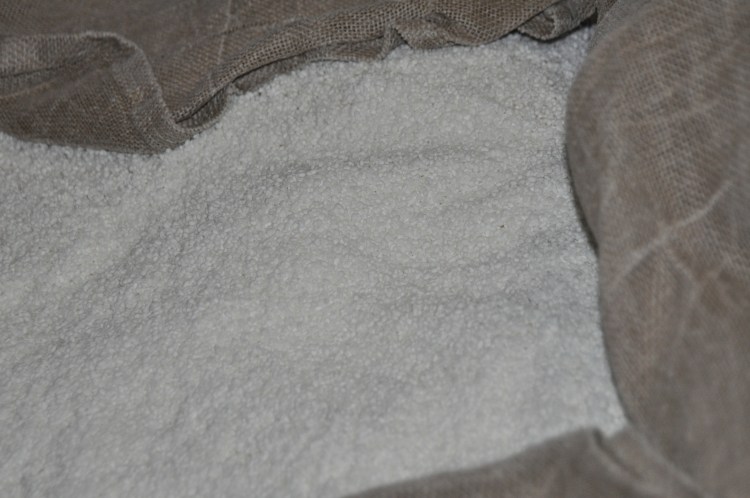
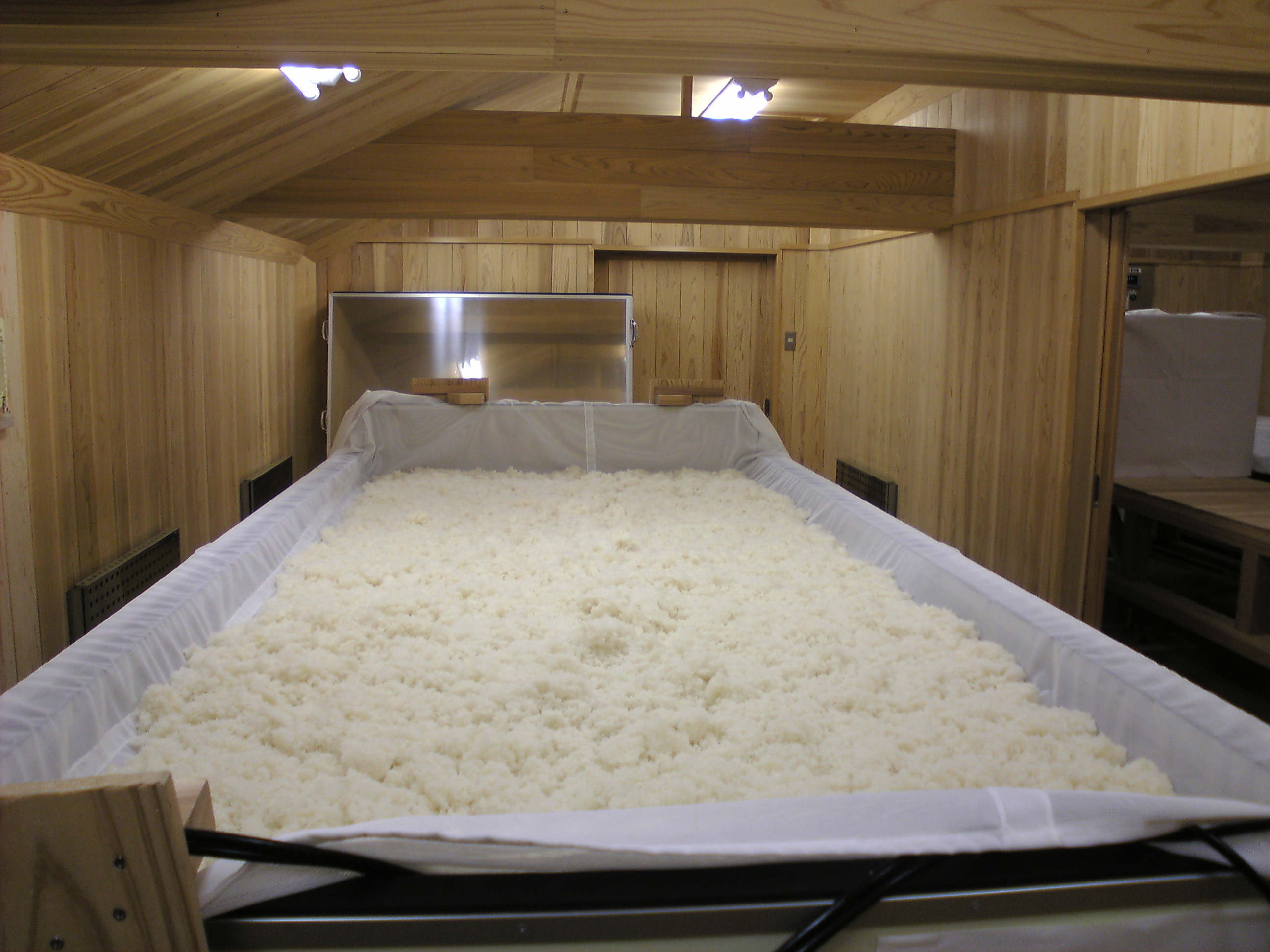
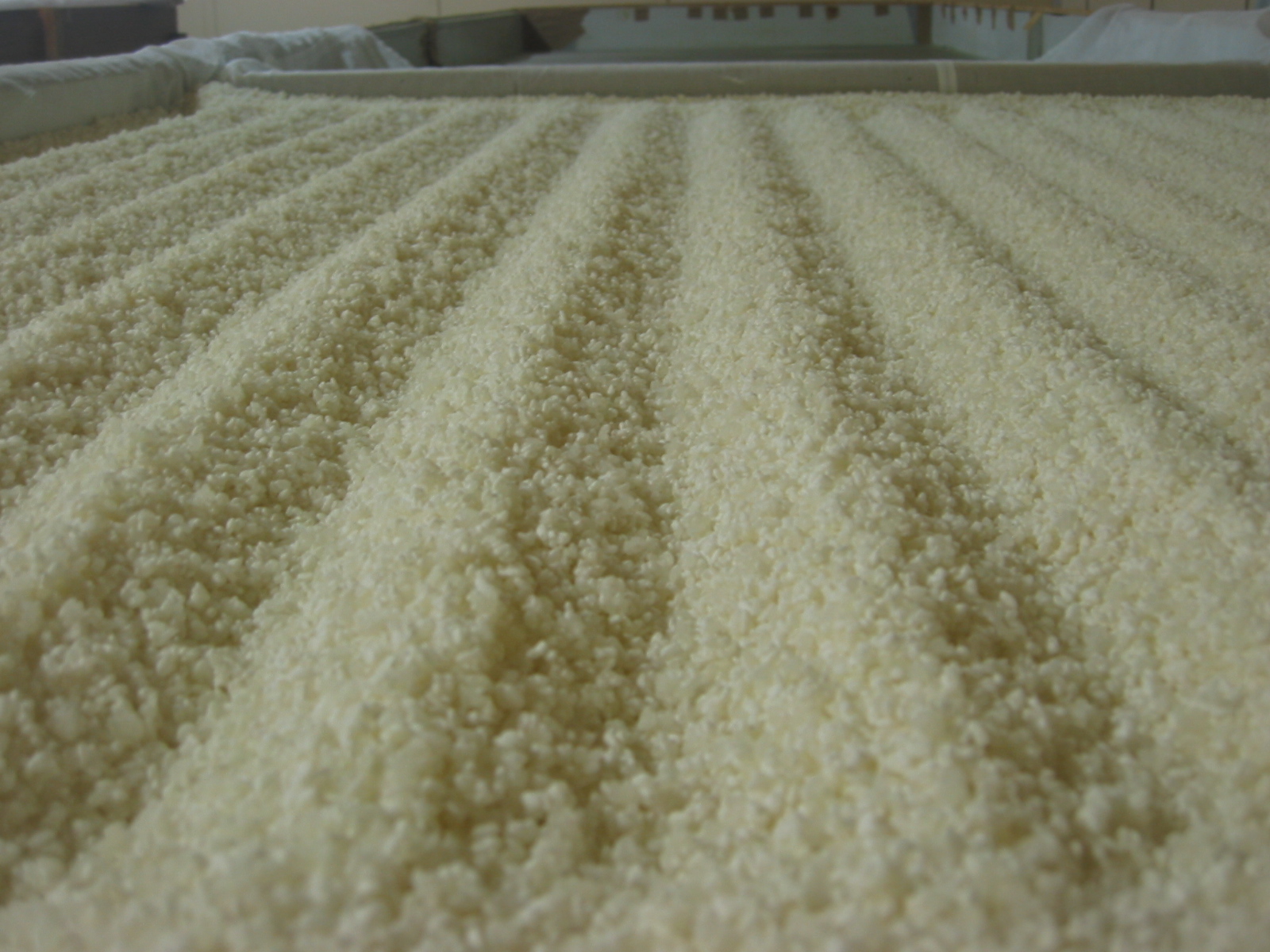
Since the outer layers have been removed, the polished rice does not contain any natural enzymes that could start a saccarification process. Because of that, we need to add a very special mold called ‘aspergillus oryzae’ or simply ‘KOJI’ to a small batch of the polished and steamed rice. For this process, the rice is spread out over linen cloth on a table in a warm room that has been lined with cedar. After mixing the Koji spores into the rice, the linen is closed and the Koji is left to propagate through the rice over the course of 2-3 days, in the process converting the starch into sugar.
Fermentation
After approximately 2 weeks, the Moto is transferred into a bigger tank. Within the following 5-6 days, three increasingly larger additions of Koji rice, fresh steamed rice and Water bring the mash to its full intended volume. The total brewing time will be around 20-30 days, depending on the desired quality and style of the intended finished product. Generally, the lower the temperature, the longer the process, and the more refined the eventual product.

Bottling
The finished Sake is typically aged for a short period (up to 6 months) either in tanks or already in bottles to allow it to mellow and develop its final, refined taste. Before bottling, Sake is normally diluted by using the same spring water that has been used for the brewing process itself. In that way, the alcohol content is reduced from about 20% Vol. after brewing to the typical 16% of premium Sake.

 Île Four